Focus on
The corsair state of Rabat-Salé

On the Atlantic coast of Morocco are two cities that became one of the most substantial Islamic ports of the 17th Century.
Series
Catalogue reference: C 146
C 146
This series is chiefly made up of conveyancing deeds and other evidences of title, although it includes too a considerable number of wills, bonds and receipts.The series represents the greater part of around 13,000 private deeds which accumulated...
C 146
c 1100-1695
This series is chiefly made up of conveyancing deeds and other evidences of title, although it includes too a considerable number of wills, bonds and receipts.
The series represents the greater part of around 13,000 private deeds which accumulated in Chancery. These were probably brought to Chancery for enrolment on the dorse of the close rolls (C 54) or lodged with the Court of Chancery as evidence in legal proceedings. Other deeds concern the endowments of charitable foundations under the jurisdiction of the chancellor.
More than 11,000 of the deeds deposited in Chancery now make up this series. The remainder have been divided among the three succeeding series, C 147, C 148 and C 149, according to size, the condition of the seals, and date.
Families whose deeds can be found in some quantity in this series include the Egertons, later dukes of Bridgwater, and the Strelleys of Nottinghamshire, Derbyshire and Yorkshire.
Dunstable (Bedfordshire) and Solihull (Warwickshire) are among the better-documented localities. Deeds of religious houses are not numerous, but the estate archive of the hospital of Holy Trinity alias St David's, Kingsthorpe (Northamptonshire) is relatively well-represented.
In its present state the series exhibits little discernible trace of any kind of order, and knowledge of its purpose and arrangement seems to have been lost long before cataloguing of the deeds was begun.
Public Record(s)
English, French and Latin
11087 parchment membranes
The records in this series were formerly housed in the Tower of London and the Rolls Chapel.
The accumulation of these deeds among the records of Chancery is imperfectly understood. Why such deeds were not returned to their owners or handed over to successful litigants remains to be explained. Some processes, for example those which failed to establish that there was any lawful heir to an estate, no doubt left the Crown in possession of both property and evidences; default of payment for enrolment may be another possibility. An adequate explanation for the presence of 13,000 deeds is still lacking.
Records created, acquired, and inherited by Chancery, and also of the Wardrobe, Royal...
Chancery: Ancient Deeds, Series C
Focus on
Record revealed
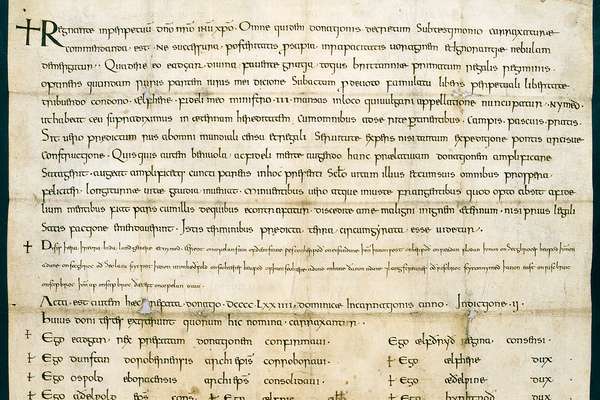
Record revealed
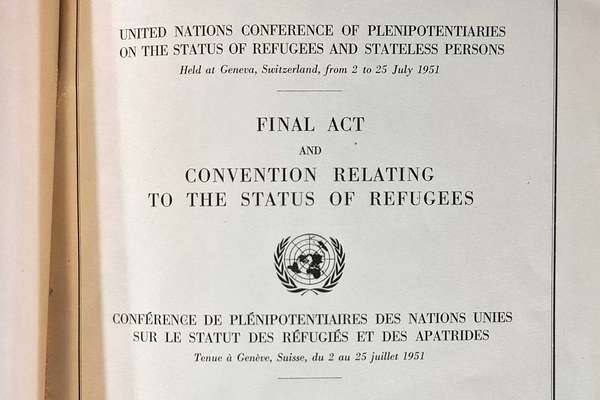
Records that share similar topics with this record.