Focus on
Henry Savage Sweetman: the man who uncovered Ireland’s medieval history

Henry Savage Sweetman published the Calendar which translated over 8,000 Irish medieval records. But who was Sweetman and why did he complete this project?
Series
Catalogue reference: JUST 2
JUST 2
Coroners' rolls and files, and similar records like sheriffs' crown pleas rolls and writs of exigent. The coroners' rolls and files are for counties, boroughs and liberties, and they record inquests into all unnatural and sudden deaths, deaths in...
Coroners' rolls and files, and similar records like sheriffs' crown pleas rolls and writs of exigent. The coroners' rolls and files are for counties, boroughs and liberties, and they record inquests into all unnatural and sudden deaths, deaths in prison, abjurations of the realm, appeals, exactions and outlawries held in the county court, approvers' appeals and felons' confessions. The inquests in particular give a variety of details concerning the circumstances of deaths, including the implement or other agent, sometimes as large as a cart or a mill wheel, which caused the death and so was forfeit to the crown as deodand, as well as information concerning the persons and places involved. To that extent the inquests contain as great a variety of miscellaneous information as the various other series of inquisitions. Some documents are not coroners' rolls. They include a file of presentments made at a King's Bench provincial session, two oyer and terminer files, several sheriffs' crown pleas rolls, files and individual writs of exigent, lists of outlawries, individual inquests and records of appeals of approvers.
Digital images of some of the records in this series are available through the Anglo-American Legal Tradition website. Please note that The National Archives is not responsible for this website or its content.
The bulk of the list (JUST 2/1-256) comprises records arranged in alphabetical order of counties and in rough chronological order under each county, with a short 'divers counties' section at the end. The remainder (JUST 2/257-263) is a random sequence of records identified and added since the original arrangment was made at the end of the nineteenth century.
Later coroners' inquests, which were handed into King's Bench from about 1500 onwards, will be found in the indictments files of that court until that practice ceased in the mid-eighteenth century in: KB 9 KB 10 KB 11 CHES 17 CHES 18 DL 46
A few other coroners' rolls are in
The office of coroner was created in 1194 to be 'keeper of the pleas of the crown' in the localities, and reached the height of its powers in the later thirteenth and early fourteenth centuries. It still exists in England and the other countries to which the office was exported. Coroners acted in counties, boroughs and liberties, and were required to hold inquests on victims of crime or violent death, receive abjurations of the realm by felons in sanctuary, hear appeals of felony, and legalise outlawry or subsequent pardons.
Coroners' Rolls and Files, with Cognate Documents
Read stories that share a catalogue subject with this record.
Focus on
Record revealed
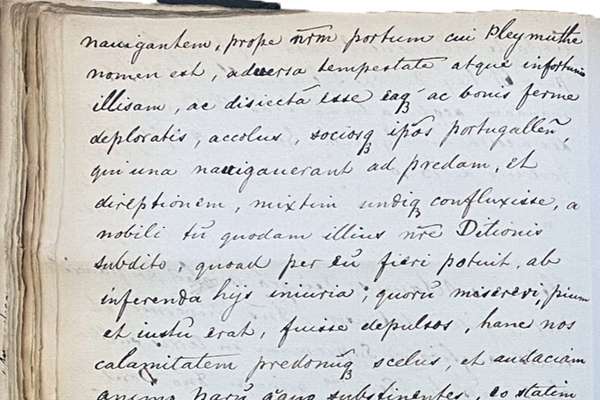
Record revealed
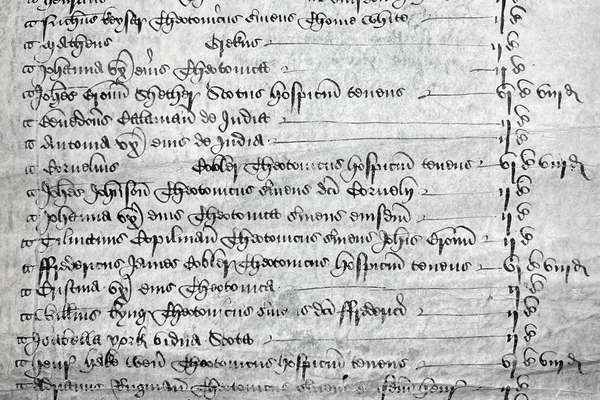
Records that share similar topics with this record.