Focus on
The corsair state of Rabat-Salé

On the Atlantic coast of Morocco are two cities that became one of the most substantial Islamic ports of the 17th Century.
Series
Catalogue reference: E 21
E 21
These are documents from the Exchequer, Treasury of the Receipt relating to the dissolution of religious houses to fund the colleges founded by Cardinal Wolsey in Ipswich and Oxford.Together with the deeds in E 24 and other related records, they...
These are documents from the Exchequer, Treasury of the Receipt relating to the dissolution of religious houses to fund the colleges founded by Cardinal Wolsey in Ipswich and Oxford.
Together with the deeds in E 24 and other related records, they constitute the archive of the establishment of Wolsey's colleges.
All but one of them are instruments made by commissioners recording the surrender of religious houses dissolved in 1524-1525. The other document authorises the appropriation of a rectory to the former college in c1528.
additional finding aid ZBOX 1/58/3
Wolsey's colleges were to be his legacy to developing humanist thought and education. His plans were based on the standard model, first seen with William of Wykeham's colleges at Winchester and Oxford in the 1380s, of an Oxford college supplied by students from a 'feeder' grammar school. Wolsey's ambitions, however, were greater than those of previous founders. Cardinal's college, Oxford was to be larger, in terms of its buildings and its establishment, than any previous college. The Ipswich college was suppressed at Wolsey's fall in 1530, while the Oxford institution became Christ Church.
The earliest suppression to be recorded in this series was of St Frideswide, which was to be the site of Wolsey's Oxford college. This was authorised by a papal bull of 3 April 1524, ratified by letters patent later in the year. The other suppressions were authorised by a papal bull of 11 September 1524, again ratified by royal letters patent. The suppressions were carried out by commissioners appointed by Wolsey and they took the surrenders of the heads of the religious houses. As well as the lands of dissolved religious houses, Wolsey's colleges were also endowed with many rectories.
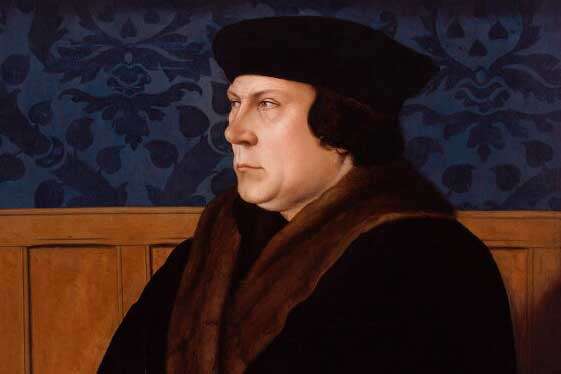
The colleges were endowed with the possessions of twenty-eight small religious houses and numerous appropriated rectories, much of the detailed work being carried out by Thomas Cromwell. The sites of the colleges were those of the Augustinian priories of St Frideswide in Oxford and of St Peter in Ipswich.
Exchequer: Treasury of Receipt: Surrenders of Religious Houses Dissolved by Cardinal Wolsey
Read stories that share a catalogue subject with this record.
Focus on
The story of
Records that share similar topics with this record.