The story of
Maud Allan
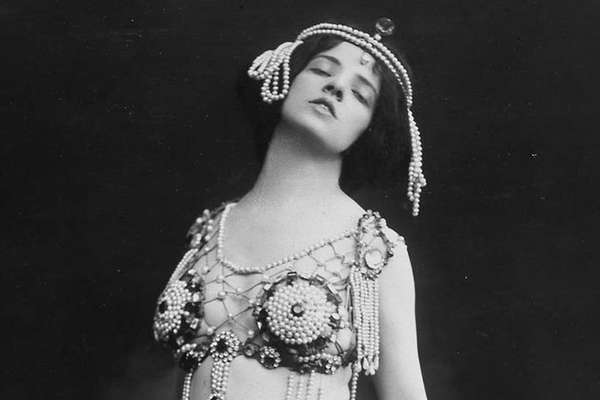
Maud Allan (1873–1956) was a celebrated West End dancer in the early 20th century until she became entangled in one of the most sensational trials of the 1920s.
Series
Catalogue reference: C 31
C 31
Instruments recording voluntary statements made under oath in furtherance of court process.Affidavits were used to establish the illness or other incapacity of a defendant unable to appear, to report acts of contempt, and to substantiate...
Instruments recording voluntary statements made under oath in furtherance of court process.
Affidavits were used to establish the illness or other incapacity of a defendant unable to appear, to report acts of contempt, and to substantiate objections, during the course of equity proceedings in Chancery.
The affidavits are arranged and listed chronologically, and from 1820 they are further arranged alphabetically according to the title of the case or matter concerned.
From Trinity 1828 to 1855 affidavits in matters, that is statutory proceedings in equity commenced by petition, motion or summons, are usually filed separately from causes and placed at the end of the alphabetical arrangement for each term or year.
Registers of affidavits are in C 41
Chancery affidavits were sworn before a person in authority, usually a master in ordinary in the London area or a master extraordinary in the localities.
It is not known when affidavits began to be used in the court, but they were evidently numerous by 1595, when Lord Keeper Puckering complained about the submission of improperly taken affidavits and prohibited them, while the fees for copies of affidavits were said in 1598 to have trebled. Before 1616 a register was established in which they had to be entered, and on 26 December 1616 Richard Frampton was created register of the affidavits by letters patent.
In later centuries, elaborate rules developed about their form and wording, and how they were to be prepared, sworn, filed and used in proceedings. The need to conform to the rules helped lead to the production of formularies of affidavits to aid legal practitioners in their work. Originally they were not, however, read at formal hearings and were not supposed to contain anything bearing on proof relating to the suit in question.
Chancery: Affidavits
Read stories that share a catalogue subject with this record.
The story of
The story of
Records that share similar topics with this record.