The story of
Maud Allan
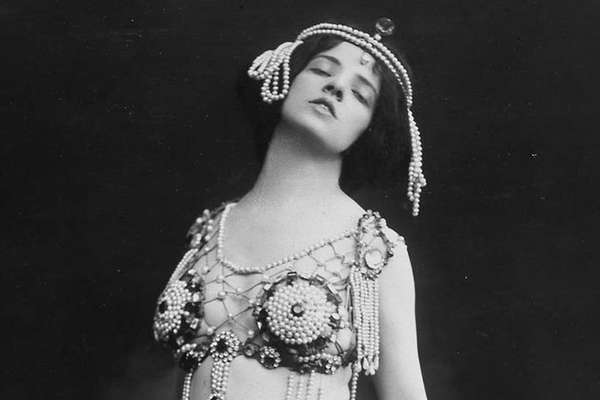
Maud Allan (1873–1956) was a celebrated West End dancer in the early 20th century until she became entangled in one of the most sensational trials of the 1920s.
Series
Catalogue reference: SP 59
SP 59
Letters and papers of the reign of Elizabeth I, assembled by the Secretaries of State in their dealings with the guardians of the English border with Scotland, the Governor of Berwick and the wardens of the East, Middle and West Marshes, who were...
Letters and papers of the reign of Elizabeth I, assembled by the Secretaries of State in their dealings with the guardians of the English border with Scotland, the Governor of Berwick and the wardens of the East, Middle and West Marshes, who were required to fortify and muster and provide intelligence on Scottish affairs, as well as to cope with the endemic border depredations of Scottish raiders in the 'debatable land'.
The arrangement is largely chronological.
The series when bound in 1840 had 74 volumes. The first 39 were broken up for calendar use and some papers were transferred to:
The border between Scotland and England was divided into the East, Middle and West Marches, each with its warden: they had their Scottish counterparts, with whom they communicated. In times of crisis between the two states, they usually appointed lieutenants-general on their borders.
The Scottish riders whose depredations in the 'debatable land' of English border territory had gone on time out of mind were most active in the West and Middle Marches, Liddesdale and Teviotdale being particularly their focus. In the East, Berwick was a garrison town, the cost of fortifying which is reflected in these papers. Repairs to fortresses such as Norham and Wark in the East March and Bewcastle and Rockcliffe in the Middle March lagged behind, and even Carlisle Castle in the West March proved vulnerable.
The governing class on the English border, though less divided than their Scottish counterparts, were sometimes at loggerheads. This was a disadvantage when they were providing, as they were expected to do, musters for border defence and assessments of the state of affairs in Scotland to supplement such information as the English envoys there might send.
The English wardens gathered intelligence for Secretaries Walsingham and Cecil, showing the manoeuvres of the factions in James VI's troubled kingdom. The reports were studied to assess the threat from Catholic powers such as Spain or France, whose alliance was sought by a Catholic party in Scotland. Once James VI became Elizabeth I's pensioner, however, after his mother's execution, it was increasingly unlikely that the Scots borderers would be enabled to play their traditional role in encouraging warfare between the two countries; witness the treaty signed at Berwick in 1597 ratifying the groundwork of boundary commissioners.
For a generation up till then, the foundation of quieter border relations had been laid by Lord Hunsdon, Elizabeth I's maternal cousin, whom she had appointed warden of the East March and Governor of Berwick in 1568, and Lord Warden General in 1589. His method was constant vigilance and insistence on Scottish liability for any raiding, but he also evoked Elizabeth I's compassion for the plight of the King of Scots. With the union of crowns in 1603, the border was soon to be a deflated issue.
Secretary of State: State Papers Scotland: Border Papers
Read stories that share a catalogue subject with this record.
The story of
The story of
Records that share similar topics with this record.