Focus on
Henry Savage Sweetman: the man who uncovered Ireland’s medieval history

Henry Savage Sweetman published the Calendar which translated over 8,000 Irish medieval records. But who was Sweetman and why did he complete this project?
Series
Catalogue reference: SC 16
SC 16
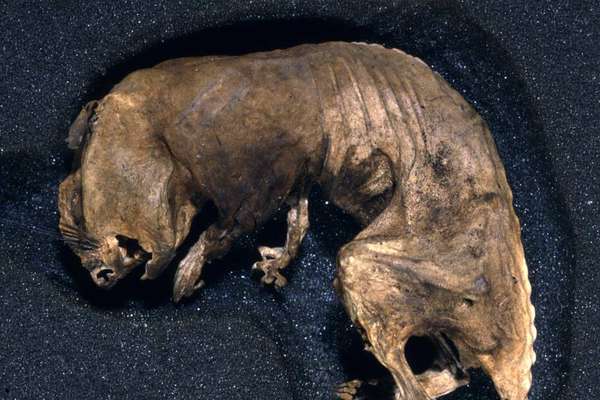
Coffers, skippets and other artefacts (otherwise in PRO 30/1), including keys and leather ink bottles, anciently used for the storage or creation of records; objects associated with or recovered from the site of the Rolls Chapel and the Liberty...
Coffers, skippets and other artefacts (otherwise in PRO 30/1), including keys and leather ink bottles, anciently used for the storage or creation of records; objects associated with or recovered from the site of the Rolls Chapel and the Liberty of the Rolls, including pottery, sculpture, and the font used in baptismal ceremonies; and miscellaneous engravings, printed ephemera, textiles, coins, wallpaper and domestic utensils transferred with the records.
The most typical examples of archival storage are the numerous pouches dating from the thirteenth to the eighteenth centuries, of white leather or canvas, fastened with leather cords, and endorsed with memoranda identifying their contents.
The series is an artificial one. Many of the items are of unknown provenance though it is probable that most of the coffers, forcers and skippets originally housed records deposited in the Treasury of the Receipt (that is, in the several treasuries which included the Chapel of the Pyx at Westminster, and the offices of the Receipt itself). A few documents have a provenance among the deeds and evidences of the Court of Wards or are of Chancery origin.
The series includes an incomplete set of keys to the locks which secured the chest in C 46.
For other forcers, skippets and similar small containers see especially E 27
The Liberty and Chapel of the Rolls from medieval times housed the Domus Conversorum, and also provided offices for the clerks of Chancery outside Westminster. From the late fifteenth century onwards it provided a repository for the records of Chancery until becoming, from 1851, the site of a purpose-built archive for the Public Records.
Special Collections: Miscellaneous Objects Recovered from the Records of the Courts at Westminster, and from the Site of the Liberty of the Rolls
Read stories that share a catalogue subject with this record.
Focus on
Record revealed
Record revealed
Records that share similar topics with this record.