The story of
Anne Lister and Ann Walker's archival legacy
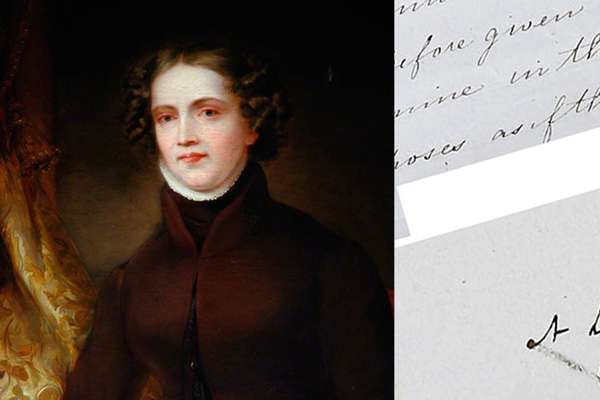
Anne Lister and Ann Walker's romantic relationship defied societal norms of their time, as we can encounter through the archival material they left behind.
Series
Catalogue reference: PROB 40
PROB 40
Entry books of Caveats or warnings from the Prerogative Court of Canterbury made to prevent the issue of grants of probate and administration, and to initiate litigation.
PROB 40
1666-1858
Entry books of Caveats or warnings from the Prerogative Court of Canterbury made to prevent the issue of grants of probate and administration, and to initiate litigation.
All of the records in PROB 40 are indexed by the name of the deceased.
Public Record(s)
English
23 volume(s)
The series is only a sample; the rest of the volumes were destroyed by the Principal Probate Registry
The entering of a caveat was one of two methods of initiating proceedings in a testamentary cause. The alternative was procedure by decree, which was normally used in cases where the executor appointed by a will apprehended litigation on the part of some interested party, but did not choose to wait for it. Decrees might issue at the instance of the next-of-kin or the executor, either before or after a grant of probate or administration had been made. They were filed with the other court processes.
Procedure by caveat could only be used before a will was proved or a grant of administration made. The party having an interest in the goods of the deceased, employed a proctor to make an entry in the current caveat book. The formula was that no grant was to be made without notice first being given to the party entering the caveat. The caveat was then "warned"; this meant that the proctor of the person barred by the caveat summoned the proctor who had entered the caveat to appear before the court and a date was fixed for a hearing. A caveat could be withdrawn before the proceedings started, in which case the proctor or party entered a "subduction", some are preserved among the series of samples.
These books are a means of ascertaining whether a will was contested. They are not infallible as the case may have been initiated be decree, although procedure by caveat was more common. The early volumes are especially useful, for the period when the acts of court books are indexed by the name of the promoter and not the deceased. The first three Caveat Books may also give the names of the persons entering the caveats, but this practise falls into abeyance, and by the end of the eighteenth century most caveats are entered in the name of John Thomas.
Records of the Prerogative Court of Canterbury
Prerogative Court of Canterbury: Caveat Books
The story of
Record revealed
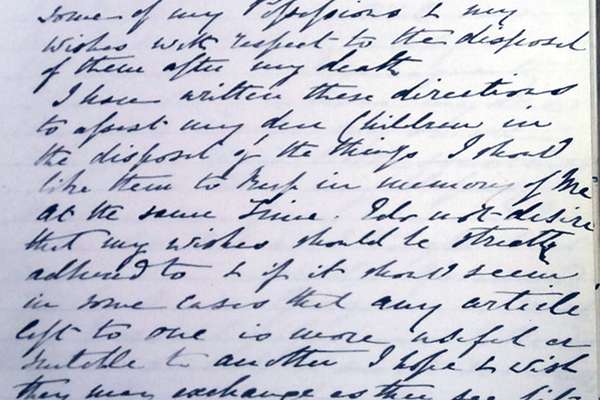
The story of
Records that share similar topics with this record.