Focus on
Smuggling gangs and coastal policing in 19th-century England
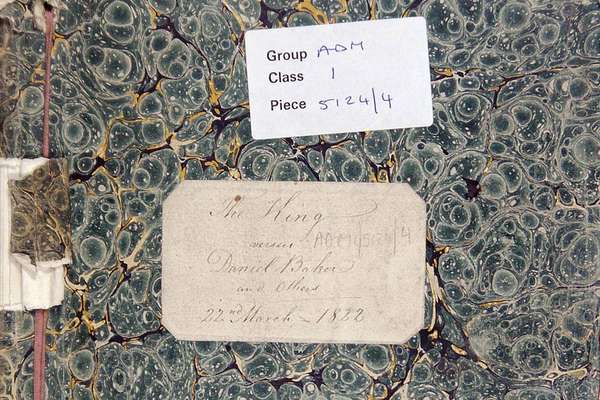
Following the Napoleonic Wars, smuggling became a major concern for the British government.
Sub-sub-fonds
Catalogue reference: POST 83
This record is about the Post Office: Telegraphs, Post Office (Overseas) dating from 1819-1934.
Maybe, but not on The National Archives website. This record is held at BT Archives. How to view it.
Not at The National Archives, but you may be able to view it in person at BT Archives. How to view it.
This series consists of a collection of licences, concessions, agreements, treaties, conventions and conferences, correspondence and memoranda between foreign governments negotiating landing rights, maintenance and operation of submarine cable telegraphs; ocean survey reports as well as other reports by officers in the General Post Office and committee reports.
Please see BT Archives online catalogue and The Postal Museum's online catalogue for descriptions of individual records within this series.
Note that these records have been rearranged to fit the scheme of arrangement used at BT Archives. The records have been incorporated within TCB and the POST 83 reference numbers are now obsolete. Please contact BT Archives for more information.
For records on telegraphs, private companies see POST 81
The first transmission of telegraphic communication to overseas routes was by submarine cable from Dover to Calais in 1850. Private telegraph companies pioneered this work, with the Post Office becoming increasingly involved in the management of overseas cables following its takeover of the UK domestic telegraph network in 1870. Private companies remained active in the international arena, particularly in providing telegraph services to places outside Europe. Many of these companies merged in 1929 to form Cable & Wireless Ltd.
Post Office: Telegraphs, Post Office (Overseas)
Read stories that share a catalogue subject with this record.
Focus on
Record revealed
Record revealed