Record revealed
The first American invention to obtain an English patent
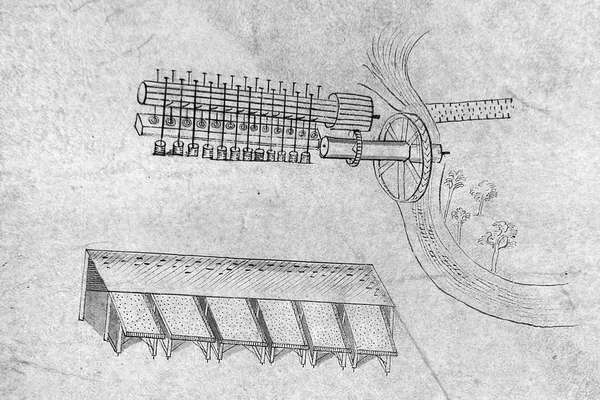
These intricate 1716 drawings were submitted by Sybilla Masters in the final stage of securing a patent for machinery for 'cleaning and curing Indian corn'.
Series
Catalogue reference: MAF 46
MAF 46
Correspondence and papers of the headquarters of the Ministry of Agriculture, Fisheries and Food and predecessors, relating to its responsibilities for the general administration, accommodation and staffing arrangements of the Royal Botanic...
Correspondence and papers of the headquarters of the Ministry of Agriculture, Fisheries and Food and predecessors, relating to its responsibilities for the general administration, accommodation and staffing arrangements of the Royal Botanic Gardens, Kew.
Further files on the Royal Botanic Gardens, Kew in the SK series can be found in MAF 206
These papers are complementary to the main records and collections held in the Herbarium and Library at Kew Gardens, which were appointed by the lord chancellor in December 1962 under Section 4 (1) of the Public Records Act, 1958, as a place of deposit out-side the Public Record Office for all records created at Kew. For further records of the Office of Works relating to Kew Gardens, see: WORK 16 WORK 32
Fine gardens have been established since medieval times on the land now occupied by the Royal Botanic Gardens (RGB), Kew in south-west London where property was acquired by Frederick, Prince of Wales in 1730. In 1759 his widow Princess Augusta appointed William Aiton to develop a physic garden there. Many newly-discovered exotic plants were brought to Kew under the direction of Lord Bute and in 1772 the gardens passed to the Crown. George III's scientific advisor, Sir Joseph Banks, developed the gardens as a major international centre for the collection and study of exotic and useful plants.
After Banks's death in 1820 the gardens declined until, in 1838, a parliamentary committee of inquiry into royal gardens reported in favour of government management. In 1840 Kew was placed under the control of the Commissioners of Woods and in 1903 passed to the control of the Board of Agriculture and Fisheries.
RBG Kew's primary function is an international centre for research and information on plant and fungal systematics, identification and uses. The gardens are open to the public and are internationally renowned. In 1965 RBG Kew took over the management of the gardens and mansion at Wakehurst Place, near Ardingly in Sussex, formerly owned by Sir Henry Price (1877-1963), who bequeathed the estate to the National Trust.
On 1 April 1984 control of RBG Kew was transferred to a Board of Trustees under the National Heritage Act 1983. One trustee is appointed by HM the Queen: the chairman and the remaining ten trustees are appointed by the agriculture minister. The administration is headed by a director appointed by the trustees.
Ministry of Agriculture, Fisheries and Food and predecessors: Royal Botanic Gardens, Kew, Correspondence and Papers
Read stories that share a catalogue subject with this record.
Record revealed
Record revealed
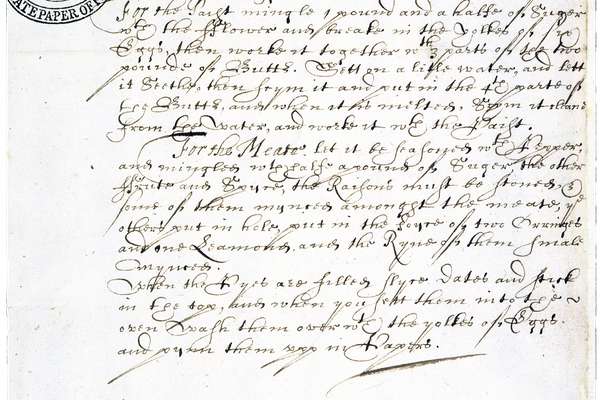
Record revealed
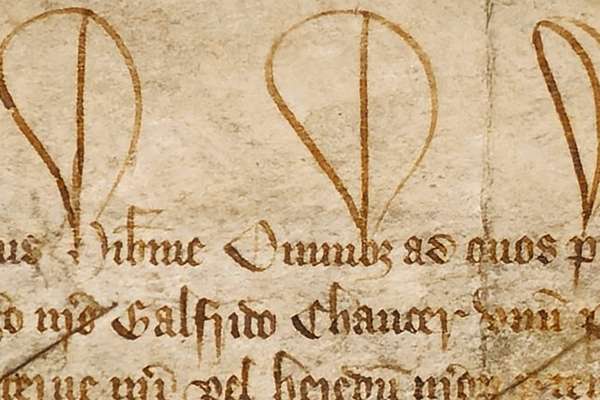
Records that share similar topics with this record.