The story of
Thomas Cromwell
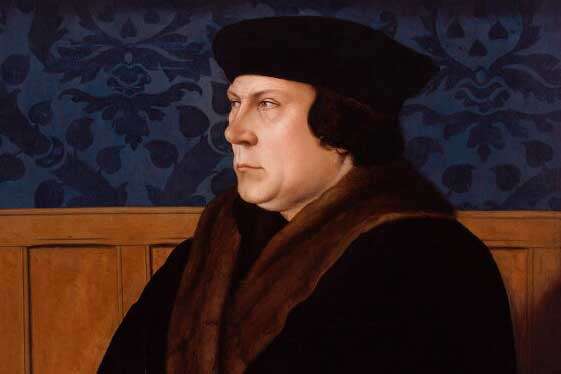
Through intrigue and ambition Thomas Cromwell rose to become one of Henry VIII's key advisors. What can records at The National Archives tell us about his life?
Series
Catalogue reference: E 5
E 5
This series consists of the bills and writs used to initiate suits in the Exchequer of Pleas.Writs were issued if the plaintiff was an accountant or debtor to the Crown, or other privileged party. The particular status of the plaintiff, from...
E 5
1260-1880
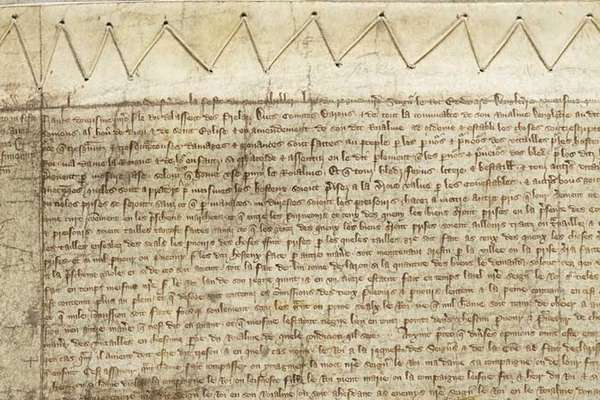
This series consists of the bills and writs used to initiate suits in the Exchequer of Pleas.
Writs were issued if the plaintiff was an accountant or debtor to the Crown, or other privileged party. The particular status of the plaintiff, from which he derived his right to sue in the Exchequer, was specified in the writ, together with the cause of action. The suits are especially of debt and detinue; in the reigns of Edward II and Edward III many relate to the auditing of accounts and the levying of arrears due to the Crown.
Most of the writs of the medieval period were used to compel appearance. Others were issued to summon a jury or execute a judgement. There are separate files of writs for levying the duty of Queen's Gold, payable to the queen at the rate of 10 per cent on all voluntary fines to the king; and of writs pro Rege for fines for trespass due to the King.
Bills were employed if the defendant was an accountant or debtor to the Crown, or other privileged party. These offer a statement of the plaintiff's cause of action. Most of the medieval bills are bills of attorney, or of bail, or contain various memoranda. Also filed are bills of necessaries, detailing the items and services supplied to the court.
In later periods the writ of quominus was used to procure the arrest or appearance in court of the defendant. An alternative was the writ of subpoena, ordering the attachment of the defendant as a rebel.
Affidavits concerning lost tallies were filed with the bills in the middle ages, whilst from the reign of James I large numbers of miscellaneous affidavits can be found.
At all periods only a minority of suits resulted in entries in the Plea Rolls (E 13). The files of bills and writs (especially the writs) thus give a much fuller picture of the business of the court.
Appearances are also recorded in E 15
Public Record(s)
English, French and Latin
629 bundles and files
Many post-1660 bills and writs were destroyed under schedule in 1908.
Records of the Exchequer, and its related bodies, with those of the Office of First...
Exchequer of Pleas: Bills and Writs
The story of
Record revealed
The story of
Records that share similar topics with this record.