Focus on
Smuggling gangs and coastal policing in 19th-century England
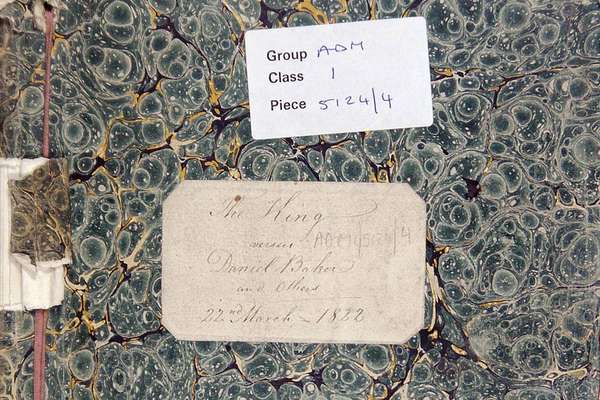
Following the Napoleonic Wars, smuggling became a major concern for the British government.
Series
Catalogue reference: ADM 158
ADM 158
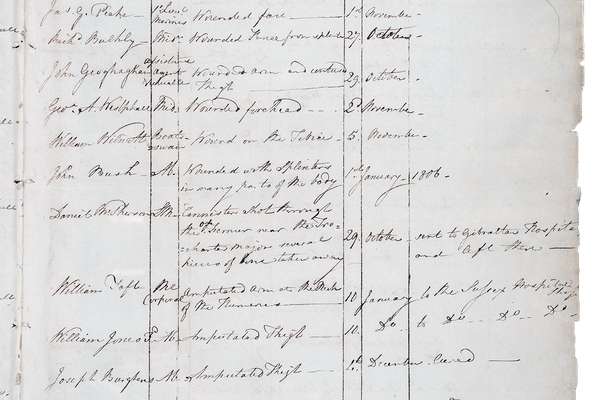
These volumes summarise alphabetically in book form the information given in attestation forms. The dates noted in the list against each volume give an approximate indication of the enlistment years covered. ADM 158/10 contains a list of...
ADM 158
c1750-1940
These volumes summarise alphabetically in book form the information given in attestation forms. The dates noted in the list against each volume give an approximate indication of the enlistment years covered. ADM 158/10 contains a list of deserters, 1842-1867.
These description books consist of several different though related types of register. They give age at the time of enlistment, parish of birth, and a simple description of height and complexion. Recruit books record similar information, and also give the signature of the medical officer passing a recruit as fit for service. Discharge books add particulars of discharge. None of the description books lists the ships or battalions in which a man served.
The information in the volumes is arranged by date of attestation (enlistment) and under the initial letter of the recruit's surname, but not in strict alphabetical order.
A number of volumes in the series are wanting (missing at transfer).
Public Record(s)
English
299 volume(s)
Open unless otherwise stated
In 1755 the Corps of Marines (later the Royal Marines, from 1802) were raised and were formed into three divisions based on Chatham, Plymouth and Portsmouth. A fourth division was established at Woolwich from 1805 to 1869.
Each division consisted of infantry companies, which were numbered in sequence. These numbers changed in 1763: In 1755 Company No 1 was based at Portsmouth, No 2 at Plymouth, No 3 at Chatham, No 4 at Portsmouth, No 5 at Plymouth, No 6 at Chatham and so on in the same sequence.In 1763, this changed and Company No 1 became Chatham, No 2 Portsmouth, No 3 Plymouth, No 4 Chatham, and so on sequentially.
The Divisions were responsible for keeping the records of their non-commissioned ranks. The earliest type of record of service appears in the Description Books in this record series, which were superceded by the Registers of Service in 1855 (see ADM 159).
In 1947 the Divisions were superseded by Groups.
Records of the Admiralty, Naval Forces, Royal Marines, Coastguard, and related bodies
Admiralty: Royal Marines: Description Books
Focus on
Record revealed
Record revealed
Records that share similar topics with this record.